
What Improv Taught Me About Belonging & Redefining Success
Written by Sheila Moore, AuDHD Entrepreneur, Life Coach, and Advocate
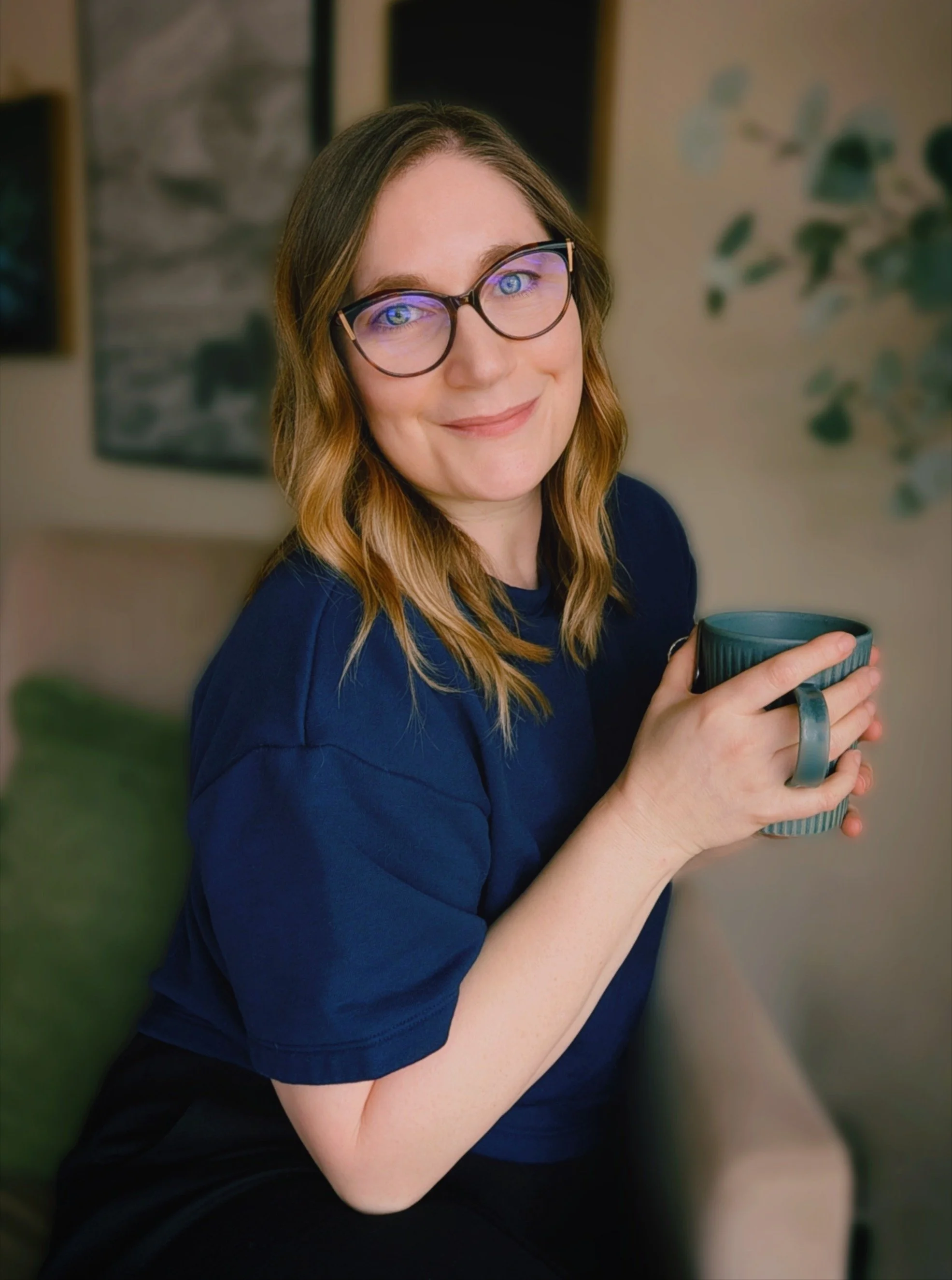
It took me about six months to actually sign up for my first improv class.
Like so many autistic people, I have a deep fear of being perceived. The idea of likely making mistakes in front of a room full of strangers was terrifying. I finally worked up the courage to register after I met Kelly Kautz at the State Autism Conference. Her joy was simply contagious.
When the day came, I almost didn't go.
I got lost on my way there and arrived 15 minutes late! This only served to feed my fears. I knew being late meant I couldn't slip in unnoticed. I pictured the whole class turning to stare at the "new girl" walking in late and interrupting them.
On the verge of a full-blown autistic meltdown, I convinced myself to just put one foot in front of the other. I wanted to be here, but walking toward the building felt almost impossible. Each step felt like wearing lead shoes on my walk toward certain doom.
By the time I reached the door, the sound of my racing heart roared in my ears. My hand shook as I turned the knob and stepped inside – ready to meet my fate.
Everyone turned and looked at me—as I knew they would. I held my breath and waited for what seemed like an eternity. I felt my body brace itself for the social firing squad to open fire.
Then, I heard my name.
"You must be Sheila! We’re so glad you were able to make it," the instructor said. (I later learned his name was Michael.)
I snapped back to the present moment and allowed myself to actually see what was in front of me. It wasn't the room full of annoyed "improv experts" that I had pictured in my head. It was a small group of warm, smiling faces seated in a circle. There was no stage—thank goodness!
Several people pointed toward an empty chair.
"We saved you a seat!" someone called out.
I almost turned around to look behind me. Are they talking to me? I thought.
I walked over and sat down. Okay, I told myself. I did the thing. I sat in the chair. I prepared to sit on the sidelines for the rest of the class, assuming that was the social expectation.
Again, I was completely wrong.
To my surprise, my fellow students kindly invited me to participate in every game. Not in a pushy, high-pressure way, but with genuine support. When I seemed hesitant, they gave me space to think. If I said "no" at first, they held space for me and gently extended another invitation before moving on.
I ended up joining in all the games, and I actually had fun doing it! I was genuinely excited to go back the following week – and no one was more shocked by that than me.
It wasn't until a couple of days later that it hit me: by the end of that first class, I felt a deep sense of belonging. That feeling is so rare and foreign to me that I couldn't even name it in the moment. But there it was.
I felt like I belonged.
From Improv Circle Games to Redefining Success
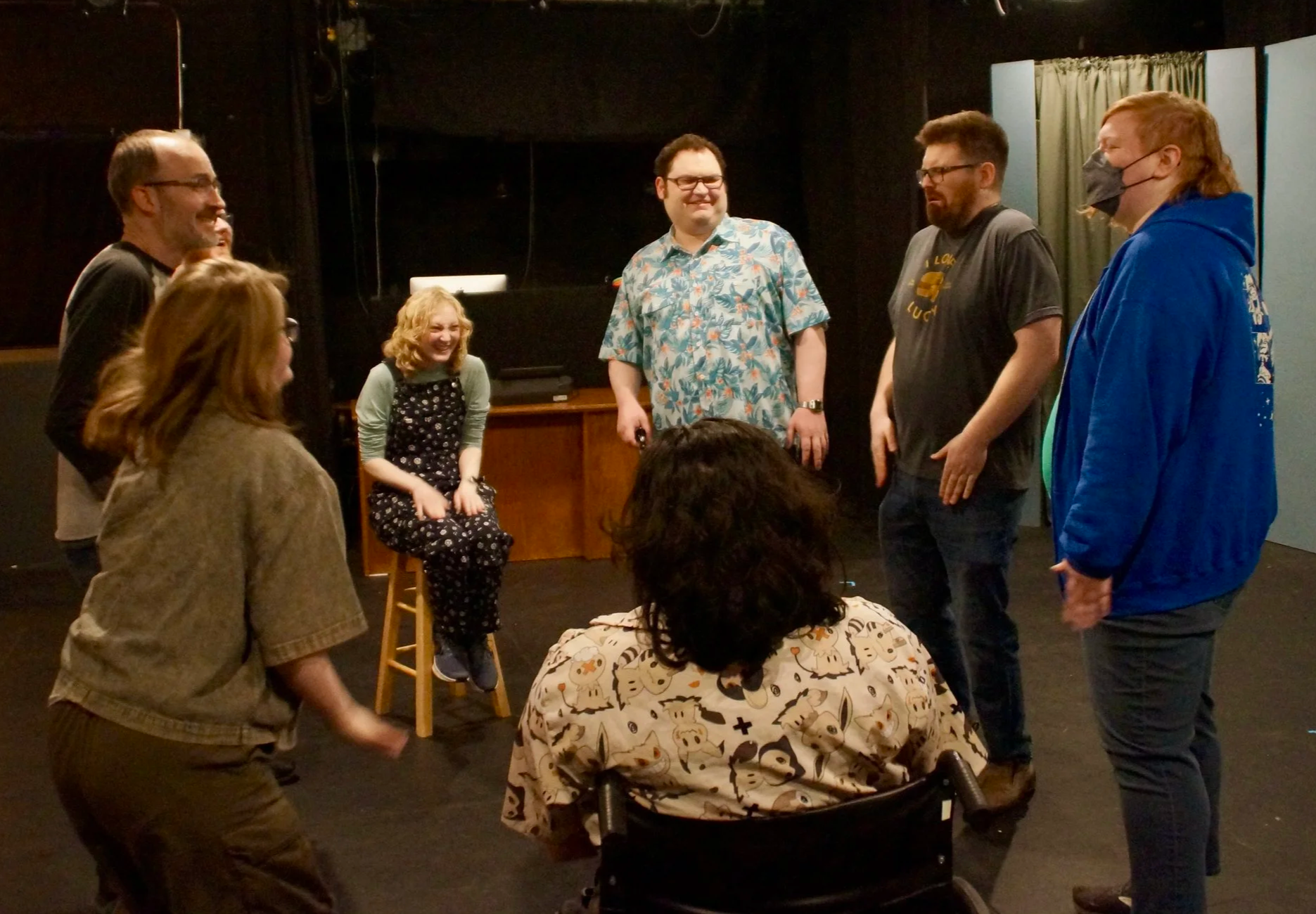
The skills I practiced in MNprov workshops slowly spilled over into every area of my life.
Improv taught me how to stay present instead of getting lost in my fear, anxiety, and perfectionism. It gave me a safe place to practice unmasking, sharing my ideas, and collaborating with others. It taught me that making a mistake isn't a catastrophe—it's a starting point for something new. Improv helped start to redefine what "success" actually looks like.
The lessons I learned in MNprov Mixers reshaped my career and community work in ways I never could have predicted:
I launched my own consulting business: I founded my business as an Operational Strategy and Workflow Design Consultant, focusing on digital accessibility and plain language communications (including designing MNprov’s website!).
I stepped into leadership. I am honored to be the Vice President of the Board at the Autism Society of Minnesota.
I became a life coach for neurodivergent adults. I have the opportunity to help others through my work at Looking Forward Life Coaching.
I’m not sure any of those milestones would have happened if I hadn't learned to embrace the unknown—one improv game at a time.
Why Improv Works for Neurodivergent Minds
Now, in my work as a life coach, I recommend MNprov at every opportunity. MNprov workshops are more than just a fun activity. They create a unique environment where neurodivergent brains can thrive.
Moving Beyond Social Rules into Collaborative Joy
In everyday life, neurodivergent people use a huge amount of energy trying to decode hidden social rules. We're constantly analyzing whether we’re saying or doing the "right" thing. Improv completely turns that dynamic on its head. It isn't about following a script—it's about learning to share space, ideas, and joy. The simple idea of "Yes, and..." teaches you to bend your own rules and accept what others bring to the game. You learn to celebrate their creativity and add your own voice to build something new together. It turns social interaction from a test you might fail into a creative collaboration.
A Low-Stakes Space to Practice "Unmasking"
Many of us mask (suppressing our natural traits to fit in) out of a need for safety. MNprov builds psychological safety from the very first minute. When a group supports you, saves you a seat, and validates your contributions, the need to hide goes away. You get to show up as yourself.
Mistakes Are Reframed as Gifts
Neurodivergent adults often feel like they need to be perfect at all times. It stems from years of being constantly corrected and misunderstood. In improv, there are no "wrong" moves. If you make a mistake, the group embraces it as a creative turn in the game. It reframes failure from something terrifying into something useful and fun.
Finding Your Seat in the Circle
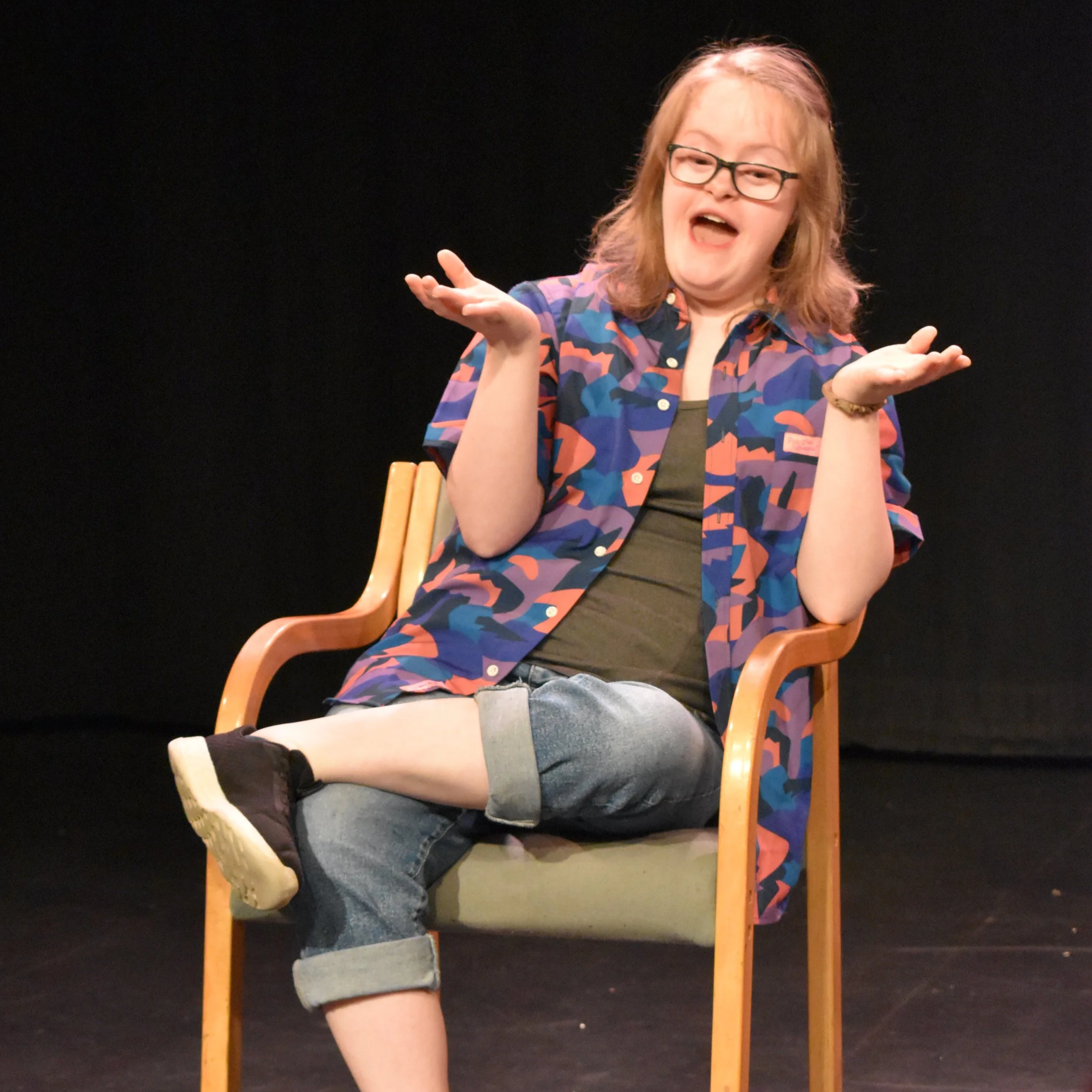
Finding spaces where we feel safe, accepted, and understood isn't easy.
MNprov provides a rare kind of community—one built on a foundation of genuine inclusion.
If you’re hesitant to try a workshop because of all the "what ifs," I encourage you to take that next step.
There is a seat saved in the circle just for you, and a room full of people who will be truly delighted to have you there.
About the Author
Sheila is an Autistic ADHDer, freelance consultant, life coach, and neurodiversity advocate. She designs practical solutions that help teams and individuals thrive. You can visit her website at www.sonnauta.com.
Off the clock, Sheila is a board game enthusiast with a love for interior design and vintage books.